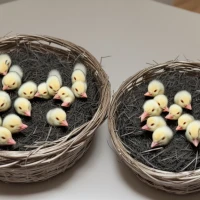
Raising healthy chicks requires a thorough understanding of their most essential needs, and nothing is more vital than ensuring adequate hydration. Chicks are like the sprouts of your backyard coop - delicate, developing, and dependent on your care. Proper water management isn’t just critical; it’s a nurturing art that, when mastered, ensures your fledglings grow into strong, resilient chickens. This engaging article will dive into the nuances of ‘Water for Chicks,’ exploring the ins and outs of ensuring proper hydration for your fledglings. Nutrition and hydration go hand in hand, and while food is essential, the importance of water for the chick’s overall wellbeing simply cannot be overstated.
Understanding the needs of your feathered friends from the start sets the stage for their lifelong health and productivity. As you read on, discover the importance of water quality, temperature, accessibility, and more, all designed to align with your search for top-notch poultry rearing advice.
The Essential Nature of Water for Baby Chicks
Just like humans, baby chicks are comprised mostly of water. Water is the catalyst for their developing systems, playing a crucial role in every physiological function, from digestion to temperature regulation stick. Let’s delve deeper into why keeping your chicks well-hydrated isn’t just good practice—it’s fundamental.
Why Chicks Need Plenty of Fresh Water
- Thermoregulation: Young chicks struggle to maintain their body temperature. Water helps them regulate heat effectively.
- Digestion: Hydration is essential for proper digestion. It helps in the breakdown of food and the absorption of nutrients.
- Detoxification: As chicks grow, their metabolism generates waste that must be expelled. Adequate water intake aids in flushing toxins.
- Growth: Water is a significant component of bodily tissues. For rapid growth, chicks require a consistent and plentiful water supply.
Understanding the critical nature of hydration, it’s imperative to provide your chicks with a constant supply of fresh, clean water. But what kind of water should you be providing? Let’s explore further.
Quality of Water: Ensuring Purity and Safety
The water you offer to your chicks must be as clean and pure as what you’d drink yourself. Contaminants and pathogens can rapidly undermine the health of your birds.
What Constitutes Clean Water for Chicks?
- Free from Contaminants: The water should be devoid of pesticides, heavy metals, and other pollutants.
- No Harmful Pathogens: Bacteria, viruses, or parasites in water can lead to disease outbreaks.
- Appropriate pH Levels: Extreme pH levels in water can affect digestion and nutrient absorption.
How to Maintain Clean Water for Your Fledglings
To ensure the water quality remains high, follow these tips:
- Regularly clean and sanitize water containers to prevent the growth of harmful microorganisms.
- Use water filters if your source is known to have high levels of contaminants.
- Change the water at least once a day to maintain freshness.
Hydration Helpers: The Right Equipment for Your Chicks
The type of watering system you choose plays a huge role in keeping your chicks hydrated. From traditional waterers to more advanced systems, selecting the right equipment is key.
Choosing the Best Waterers for Chicks
Traditional Waterers
The classic water fount is a perfect start for young chicks. Ensure they are shallow enough to prevent drowning.
Nipple Systems
As chicks grow, nipple drinkers can be a hygienic and efficient option. They also prevent water from spilling and bedding from becoming wet.
Automatic Waterers
Automatic systems ensure a continuous supply of clean water, reducing labor and maintaining optimal hydration levels.
No matter which system you use, regular checks for leaks, blockages, and cleanliness are essential for the health of your chicks.
Adjusting Water Temperature: Not Too Hot, Not Too Cold
Water temperature can have significant effects on chick health. It aids in regulating body temperature and encourages adequate consumption.
The Ideal Water Temperature for Chicks
- Slightly Warm: For the first few weeks, room-temperature or slightly warmer water encourages drinking without chilling the chicks.
- Avoid Extremes: Water that’s too hot or too cold can deter chicks from drinking and stress their bodies.
Monitoring water temperature frequently, especially in fluctuating climates, maintains the perfect balance for encouraging regular hydration.
Accessibility is Key: Easy Access for Tiny Beaks
Ensuring that water is easily accessible to all chicks in the brooder is critical. It doesn’t matter how clean or perfectly tempered the water is if the chicks can’t reach it.
Ensuring All Chicks Get Their Share
- Place multiple waterers throughout the brooder to prevent overcrowding.
- Monitor the flock to ensure that smaller or less dominant chicks are not being bullied away from the water supply.
- Adjust the height of the waterers as chicks grow, keeping them at back level to minimize spillage and contamination.
Monitoring Water Intake: Understanding Chicks’ Hydration Needs
While providing the right conditions for hydration is crucial, observing and adjusting to the chicks’ actual water intake is equally important.
Recognizing Adequate Hydration in Chicks
Chicks that are properly hydrated will appear:
- Active and alert
- Have a healthy appetite
- Exhibit normal droppings
- Show consistent growth patterns
If you notice a drop in water consumption or signs of dehydration (such as lethargy or shriveled skin), investigate and rectify the issue immediately.
Preventing Waterborne Diseases: Vigilant Health Practices
Diseases can spread through contaminated water quicker than you might think. Preventing these illnesses forms a vital part of your water management strategy.
Key Practices to Minimize Disease Risk
- Sanitize water containers regularly with a non-toxic disinfectant.
- Invest in water treatment options if necessary to eliminate pathogens.
- Observe chicks daily for signs of illness and address any concerns promptly.
Water Additives: Boosting Chick Health
Sometimes, adding supplements to your chicks’ water can give them an extra health boost, especially during times of stress or when illness looms.
Safe and Effective Water Additives for Chicks
- Electrolytes: Support hydration and stress recovery.
- Probiotics: Encourage a healthy gut flora.
- Vitamins: Specifically vitamins A, E, and B12, can aid in robust development.
Always follow manufacturer recommendations, and use additives only when needed to prevent dependency or imbalance.
Frequently Asked Questions
Q: How often should I check the water for my chicks? A: Ideally, you should check water levels multiple times throughout the day to ensure a constant supply.
Q: Can I give tap water to my chicks? A: Yes, if it is safe for human consumption. However, it may be beneficial to let the water sit for 24 hours before offering it to chicks to allow chlorine to evaporate.
Q: Is it necessary to give water to chicks on the first day? A: Yes, chicks should have access to water as soon as they are placed in the brooder. Hydration is crucial from day one.
Q: How do I know if my chicks are dehydrated? A: Signs of dehydration include lethargy, panting, and concentrated urine. Immediate action is needed if you spot these symptoms.
Ensuring proper hydration for your fledglings is an ongoing commitment that requires attention to detail and a proactive approach. By understanding and implementing the principles outlined above, you can raise a flock of robust, hydrated, and healthy chicks. Combining high-quality water with the right practices makes for thriving birds and happy poultry keepers, enhancing the joy and success of your chicken-rearing endeavors.