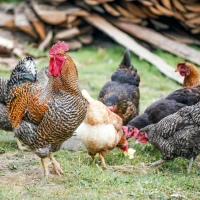
Easter Eggers are a delightful and colorful presence in many backyard flocks, known for their beautiful and varied egg colors. They capture the hearts of poultry enthusiasts and casual bird admirers alike. As fascinating as their multicolored eggs are, there is often curiosity surrounding the onset of their egg-laying capabilities. Understanding when Easter Eggers start laying eggs is crucial for those looking to cultivate these birds for their distinctive eggs. Here, we’ll unveil the mystery of when Easter Eggers begin their egg-laying journey, combining comprehensive information with an SEO touch designed to rank your page optimally.
Unlocking the Secrets of Easter Eggers
Easter Eggers are not a breed per se but a type of chicken with a genetic predisposition to lay eggs in shades of blue, green, or even pink. These birds come from a mix of breeds—most commonly Araucanas, Ameraucanas, or Cream Legbars—with a gene that influences egg-shell pigmentation. Let’s delve deeper into the defining characteristics of Easter Eggers and their timeline to egg production.
What Defines an Easter Egger?
Understanding what makes Easter Eggers unique is essential:
- Variety of colors and patterns: A telltale characteristic of Easter Eggers is their diverse plumage, boasting an array of colors.
- Muffs and beards: Most possess distinctive facial features like muffs and beards, giving them a charming appearance.
- Egg color variety: Their trademark colorful eggs can vary from one hen to another, even within the same clutch.
- Friendly dispositions: Typically, they are known for their friendly temperament, making them excellent additions to any flock.
The Egg-laying Timeline: When do Easter Eggers start laying?
It’s common to question “When do Easter Eggers start laying?” The answer varies, but most begin their laying journey at around 4 to 6 months old. However, multiple factors can affect this timeframe:
- Breed and genetics: The mixed lineage can influence when they start to lay.
- Daylight exposure: Longer daylight hours can stimulate egg production earlier.
- Nutrition: A well-balanced diet is paramount for on-time egg laying.
- Stress levels: A calm environment typically encourages earlier laying.
Factors Influencing Egg Production Initiation
Nutrition: The Foundation
Adequate nutrition cannot be overemphasized when it comes how to break a broody hen the onset of laying. Ensuring a diet that is rich in protein and calcium is essential for healthy egg production. Beginner poultry keepers often wonder when do Easter Eggers start laying—and the answer often lies in the feed they provide:
- Layer feed: Introduce layer feed at about 18 weeks to fortify their diet with necessary nutrients.
- Supplements: Calcium and vitamin D supplements can be beneficial to help bolster eggshell strength.
Daylight and Seasonal Changes: Nature’s Cue
Daylight plays a significant role in signaling Easter Eggers to begin laying. Hens typically need about 14 to 16 hours of light per day to optimize their laying cycle. Seasonal changes, therefore, can affect the onset of egg production.
- Summer: Expect earlier laying due to longer natural daylight.
- Winter: Supplemental lighting can help maintain consistent laying during shorter days.
The Environment: A Stress-Free Zone
Underline the importance of a stress-free habitat for Easter Eggers. Elements that contribute to a harmonious environment include:
- Spacious coops and runs to prevent overcrowding
- Protection from predators and extreme weather
- A clean living space with fresh water and feed available constantly
Monitoring the Signs of Maturity
As Easter Eggers approach the beginning of their laying period, they exhibit several telltale signs. Recognizing these can help anticipate when the first egg will appear.
Behavioral Changes: Anticipating That First Egg
- Increased vocalization: Hens may start clucking more frequently as they near laying age.
- Exploring nest boxes: A curiosity towards nesting areas can indicate they’re close to laying.
Physical Indicators: Signs to Look For
- Wattle and comb development: As they mature, their comb and wattle grow and deepen in color.
- Pelvic bones widening: A hen ready to lay will show a widening gap between her pelvic bones.
Overcoming Challenges: Ensuring a Healthy Start
The Importance of Good Husbandry
Effective rearing practices can help prevent or at least mitigate common issues that delay Easter Eggers from starting to lay eggs. Adhering to high standards of husbandry includes:
- Disease management: Vaccinations and regular health checks are vital.
- Parasite control: Routine treatments for lice, mites, and internal worms are essential.
- Stress reduction: Handling birds gently and minimizing disruptions in their environment are crucial steps.
Coping with Potential Delays
Sometimes, despite best efforts, hens may experience delays in starting to lay:
- Health concerns: Address any signs of illness immediately.
- Weight issues: Obesity or being underweight can delay laying—maintain a balanced diet.
- Environmental factors: Extreme temperatures or changes in the flock can interrupt the laying schedule.
Conclusion: The Excitement of the First Egg
The journey to that first colorful Easter Egger egg is filled with anticipation and care from the chicken keeper. Understanding the intricacies of when Easter Eggers start laying equips enthusiasts with the knowledge to support their flock’s needs. With patience and attention to detail, the reward of vibrant eggs can become a delightful reality, reflecting the beauty and uniqueness of the Easter Eggers themselves.
Easter Eggers’ egg-laying startup is not just about adding a dash of color to the egg basket; it’s a commitment to understanding and catering to the needs of these wonderful birds. Join the ranks of fulfilled poultry keepers and embrace the egg-squisite experience of raising Easter Eggers!