Easter Egger chickens, with their varied and vibrant plumage, are like the rainbow’s reflection in the realm of poultry. These birds are renowned not only for their ability to lay distinctively colored eggs but also for their captivating spectrum of feather colors. This allure has not only made them a favorite among backyard chicken enthusiasts but also an intriguing subject for those interested in the nuances of chicken genetics. In this comprehensive article, we will unravel the rich tapestry of Easter Egger chicken colors, gaining insights into the genetic marvel that paints their feathers in such a vast array of hues.
The Allure of Easter Egger Chickens
Easter Egger chickens have garnered substantial admiration within the community of poultry enthusiasts and homesteaders alike. Their charming demeanor and the playful variety of egg colors they produce make them a unique addition to any flock.
- Genetic Diversity: The Easter Egger chicken is a hybrid, not a pure breed, which contributes to their diverse feather coloring.
- Eggscellent Spectrum: A single flock of Easter Eggers can produce eggs in shades ranging from blue to green, and occasionally even pink.
- Adaptability: Their hardiness in various climates and their friendly nature make them excellent pets.
Understanding these factors is essential in appreciating the distinct nature of Easter Egger chick temperature charten colors.
Decoding the Rainbow: The Science Behind the Colors
Easter Egger austra white chickens owe their vibrant feathers to complex genetic interactions, making them a chicken breed exhibiting one of the most diverse color palettes.
The Genetic Mosaic
Easter Eggers are not standardized by color, due to their genetic mosaic. Their coloration stems from the intermingling of genes from blue egg-laying chickens like Ameraucanas and Araucanas with other breeds.
Genetic Inheritance and Expression
- Dominant and Recessive Genes: The color of Easter Egger chickens is influenced by both dominant and recessive genes, resulting in the wide color variety noted in their plumage.
- Sex-Linked Traits: Some color traits are sex-linked, meaning they are genetically passed on and expressed differently in hens and roosters.
Color Patterns and Variations
The spectrum of colors seen in Easter Egger chickens includes, but is not limited to:
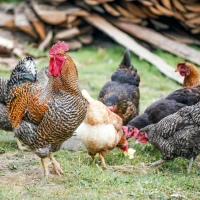
- Solid Colors: Some Easter Eggers exhibit solid color feathers, such as blacks, whites, and reds.
- Mottled and Striped Patterns: Others display a mottled look or barred patterns reminiscent of other chicken breeds.
- Unique Markings: Certain Easter Eggers may sport unique and distinct feather markings that can be attributed to their mixed lineage.
The Splendid Spectrum of Easter Egger Feathers
Delving into the specifics, let’s explore the magnificent color variations found in Easter Egger olive eggers chickens.
Classic Colors
- Blues and Greens: The quintessential colors that are often associated with these chickens, resembling their famous egg colors.
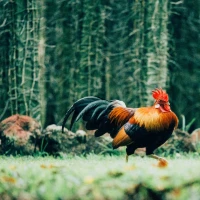
- Reds and Golds: Bright and warm hues that can often be seen adorning these birds, giving them a regal appearance.
Uncommon Hues
- Lavender and Grays: More subdued yet equally enchanting, these colors add a touch of elegance to the flock.
- Pinks and Creams: Though rarer, these pastel shades can sometimes manifest in their feathers, delighting chicken connoisseurs.
Crossing Over: The Influence of Breeding
Cross-breeding can significantly affect the colors of Easter Egger chickens, combining the traits of different breeds to create new shades and patterns. Breeders who carefully select for certain attributes can influence the direction of the flock’s color genetics, leading to an increase in specific hues over time.
The Prismatic Egg Basket: Easter Egger Eggs
An article on Easter Egger chicken colors would be incomplete without mentioning their prismatic egg basket. The eggshell colors can range from sky blue to deep olive, adding to the allure of raising these chickens.
Understanding Egg Color Determinants
Egg color is determined by pigments deposited during the laying process, influenced by a hen’s genetic makeup. The two main pigments are:
- Oocyanin: This pigment imparts a blue or green tint to the shell.
- Protoporphyrin: This pigment gives a brown or pinkish coloring to the eggs.
Raising a Rainbow: Selecting and Breeding for Color
Selective Breeding Practices
For those who aim to curate a particular color within their flock, selective breeding is the key. This practice involves:
- Choosing hens and roosters with the desired color traits.
- Isolating and breeding these chickens to strengthen the color traits in the offspring.
- Keeping meticulous records to track genetic lineage and predict color outcomes.
The Role of Nutrition and Environment
Nutrition and environmental factors, while not changing the genetics, can affect the vibrancy and health of the feathers. Providing a balanced diet and proper care can enhance the natural beauty of the Easter Egger chickens’ plumage.
Caring for Your Colorful Companions
Aside from genetics, proper care is crucial in maintaining the splendid colors of Easter Egger chickens.
Best Practices for Feather Health
- Nutritious Diet: Ensure that your chickens receive a diet rich in vitamins and minerals.
- Parasite Control: Regularly treat for parasites to prevent feather damage and discoloration.
- Stress Management: Minimize stress in the flock to maintain optimal feather condition.
Molting: A Time of Renewal
Molting, the natural process of feather shedding and regrowth, can temporarily affect the appearance of your Easter Egger’s colors. Understanding this process and providing additional support during this time is vital for the regrowth of vibrant plumage.
Conclusion: A Kaleidoscope of Feathers
Easter Egger chickens bring a touch of color and whimsy to the world of poultry. They are a testament to the incredible variety that can be achieved through understanding and harnessing chicken genetics.
By exploring the depths of Easter Egger chicken colors, we have uncovered the complexities of genetics, breeding, and care that contribute to their rainbow of feathers – and the delight they bring to chicken aficionados. So whether you’re a potential chicken keeper or an experienced breeder, Easter Eggers offers a canvas for creativity and a window into the extraordinary diversity of nature.