In the diverse world of poultry diets, the quest for healthy and appropriate food options for chickens is ever-evolving. Among the myriad of possibilities, the sweet and succulent mango sparks a particular curiosity among chicken owners. Is this tropical delight safe for our feathered friends? Today, we delve into the heart of this question: Can chickens eat mangos? Let’s peel back the layers and uncover the secrets to whether this fruit is a delectable treat or a no-go for your flock.
As an SEO-savvy writer, I am well aware of the importance of not just delivering content, but providing readers with rich, engaging, and informative articles that answer their queries succinctly. Before we continue, allow me to stress that this exploration into the chicken-compatible diet is backed by thorough research and trusted insights.
The Nutritional Value of Mangoes in a Chicken’s Diet
Every chicken enthusiast knows that a balanced diet is critical for the health and happiness of their poultry. Mangoes, known for their high vitamin content, seem like a promising addition. But can chickens truly benefit from these nutrients?
Vitamins and Minerals: A Mango’s Bounty
Mangoes are laden chickens with afros essential nutrients, including:
- Vitamin A: Vital for healthy vision and immune function.
- Vitamin C: Important for tissue repair and enzymatic processes.
- Vitamin E: Acts as an antioxidant, crucial for egg production and muscle health.
- Fiber: Aids in digestive health.
Antioxidant Properties and Immune Support
The antioxidants present in mangos, such as beta-carotene, and the vitamins mentioned help in boosting the immune system of chickens. These substances combat the effects of oxidative stress and contribute to overall well-being.
Incorporating Mangoes into Your Chickens’ Diet
While we understand the nutritional benefits, the question remains: Can chick temperature chartens eat mangos without any repercussions? It is time to explore the safe ways to introduce this fruit into their feeding routine.
Preparation and Portion Control
- Chop mangoes into small, manageable pieces to prevent choking.
- Remove the pit and skin, as these can be harmful.
- Serve mangoes as an occasional treat, not a dietary staple.
Creating a Balanced Treat System
Offering mangoes in moderation within a treat system can ensure your chickens enjoy varied nutrition without overindulging in sugary fruits. A rule of thumb is to keep treats to less than 10% of their total diet.
Potential Hazards of Mangoes for Chickens
Unraveling the risk factors is as important as understanding the benefits. Certain components of mangoes could potentially pose risks to chickens.
The Peel and Pit: A Hidden Danger
- The peel: Can be tough to digest and may contain pesticide residues.
- The pit: Contains cyanide and can cause choking or intestinal blockage.
Toxins and Digestive Concerns
It’s imperative to be aware of any preservatives or toxins that can be present in non-organic mangoes that could adversely affect your chickens’ health. Overconsumption could also lead to digestive issues given the high sugar content.
Safe Treat Alternatives to Mangoes
Suppose you are seeking different treats to diversify the diet of your chickens. In that case, here are safe and healthy alternatives:
- Cooked rice or pasta
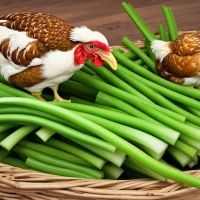
- Green, leafy vegetables
- Cooked beans (never raw)
- Cabbage
- Berries
Understanding Commercial Feed and Treat Balance
Amidst experimenting with treats like mangoes, never undermine the importance of commercial feed, which is designed to give chickens the necessary nutrients in the correct ratios.
Integrating Treats and Maintaining Nutritional Integrity
The interplay between commercial feed and treats is delicate. Treats should complement, not compromise, the diet defined by nutritionally balanced feed.
Frequently Asked Questions About Chickens and Mangoes
Can chickens eat mangos every day?
No, mangoes should be an occasional treat due to their high sugar content and need for dietary variety.
What part of the mango is unsafe for chickens?
The pit and peel should be avoided as they can be hazardous and difficult for chickens to digest.
How much mango can I feed my chickens?
Limit mango and other treats to less than 10% of the chickens’ overall diet.
Closing Thoughts on Mangoes in Poultry Nutrition
In conclusion, the answer to our initial query—Can chickens eat mangos—is yes, but with caveats. Mangoes can be an enjoyable treat packed with nutrients beneficial for chickens, yet they must be served correctly and sparingly.
To maintain the health and happiness of your flock, always prioritize a balanced diet, leverage treats as a supplement, and be conscious of preparation methods to avoid potential hazards. By following these guidelines, you can delight your chickens with mango treats safely and judiciously, keeping your feathered companions thriving through a well-rounded diet.
Remember, every chicken owner’s journey is unique, and observing your flock’s response to mangoes is essential. Should you have any concerns about your chickens’ diet or health, consult with a veterinarian who understands poultry nutrition. Embrace the splendor of mangoes, but do so informed, responsible, and with the best interest of your chickens at heart.