Raising Olive Egger chicks marries the charm of backyard poultry with the delight of harvesting your very own olive-green eggs. A true conversation piece, these birds encapsulate the wonderful diversity of the avian world and lay the groundwork for an enriching hobby that can flourish into a passion. As you embark on the journey of nurturing these vibrant chicks to adulthood, this comprehensive guide unfolds the nuances of the process, providing you with the essential knowledge and skills you’ll need to succeed.
For the uninitiated, Olive Eggers are not a breed per se, but a hybrid chicken developed by crossing birds that lay blue eggs, such as Ameraucanas or Cream Legbars, with those that produce brown eggs, like Marans or Welsummers. The resultant Olive Eggers lay eggs in shades of green that can rival the palette of an artist. This captivating outcome, combined with their hearty nature and endearing personalities, makes Olive Egger chicks a favorite among poultry enthusiasts.
Whether you’re a seasoned chicken keeper or new to the flock, this guide will offer enriching insights into the world of Olive Egger chicks. From setting up the perfect brooder to understanding the unique dietary needs, health concerns and, finally, tips for getting those coveted olive-green eggs, this guide has got you covered.
Understanding Olive Egger Chicks
Olive Egger chicks present a mosaic of their parentage with the ability to exhibit a range of feather colors, patterns, and egg-laying capabilities. Grasping the genetic roulette that these chicks represent prepares you for the colorful parade of characteristics you might witness as they grow.
Genetics of Olive Egger Chicks
It all comes down to genetics. Olive Egger chick temperature charts inherit the blue egg gene from one parent and the brown egg gene from the other. The blue egg gene is dominant, which means it will typically override any white egg genes. When it combines with the brown, the blue base and the brown overlay create different shades of green.
Appearance and Characteristics
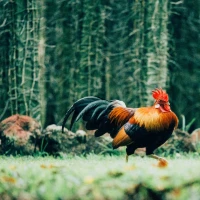
While Olive Eggers do not follow a breed standard, they frequently sport a mix of feather colors ranging from black to brown, with the occasional copper or gold highlights. Some may even inherit the beards or muffs seen on Ameraucanas. These birds tend to be sturdy, with a good tolerance companion planting for arugula various climates, making them a versatile addition to most flocks.
Setting Up Your Brooder
Creating an optimal brooding environment is crucial water for chicks young Olive Eggers and bang on target for poultry farming success. Remember, your chicks require consistent warmth, clean bedding, and ample space to thrive.
Temperature Needs
For the first week of life, the brooder temperature should hover around 95 degrees Fahrenheit. The temperature should then be decreased by 5 degrees each subsequent week until the chicks are acclimated to outside temperatures or they develop their fcan chickens eat mangoshers completely.
Brooder Setup
- Heat Lamp or Brooder Heater: Choose a reliable heat source to maintain temperature.
- Bedding: Use absorbent materials such as pine shavings.
- Feeder and Waterer: Ensure chicks have access to fresh food and water at all times.
- Space: Allocate enough square footage to avoid overcrowding as they grow.
Feeding Your Olive Egger Chicks
A balanced diet is non-negotiable for growing Olive Egger chicks. Initially, you will start your chicks on starter feed before transitioning to grower feed.
Starter Feed
Provide a high-quality chick starter feed with about 18%-20% protein content. The high protein levels are essential for proper growth and development in the early weeks.
Transitioning to Grower Feed
At around 6-8 weeks old, switch to grower feed, which has lower protein content. This feed will support the chicks as they continue to mature without accelerating growth too rapidly, which can cause health issues.
Supplementary Treats and Nutrition
Once your chicks are a few weeks old, they may enjoy occasional treats like mealworms or small vegetables. Remember to provide grit to help them digest these extras.
Health and Wellness for Olive Egger Chicks
Raising healthy Olive Egger chicks requires vigilance. You’ll need to monitor them for any signs of illness or distress and create a safe, clean environment for them to live in.
Common Health Issues
- Pasty Butt: This can occur in chicks during the first weeks of life. Check their undersides regularly.
- Respiratory Illnesses: Watch for coughing or sneezing, and keep the brooder well-ventilated.
- Coccidiosis: This is a common and potentially fatal intestinal disease, so ensure cleanliness and consider a medicated starter feed if it’s a concern.
Regular Checks and Maintenance
- Clean Brooder: Perform regular cleanings to maintain a hygienic environment.
- Feeding and Watering Equipment: Keep feeding and watering equipment free from droppings and refill with fresh contents daily.
- Health Checks: Keep a close eye on your chicks for any abnormalities or changes in behavior that might indicate illness.
Planning for the Future: Housing and Egg Production
As your chicks grow, it’s essential to think ahead about their housing needs and the exciting prospect of collecting your very own olive-green eggs.
Coop Requirements
Your Olive Egger chickens will need a secure, spacious coop to protect them from predators and harsh weather. Include nesting boxes, perches, and enough space for each chicken to roam.
Anticipating Egg Laying
Olive Eggers will generally start laying eggs at 5-7 months of age. Ensure the nesting boxes are inviting and comfortable to encourage them to lay in the appropriate location.
Capturing the Market: Selling Olive Egger Chicks
With the increasing popularity of backyard poultry, selling Olive Egger chicks could become part of your endeavor.
Marketing Your Chicks
Create an attractive selling point with the unique aspect of olive-green eggs. Use high-quality images and compelling descriptions, highlighting the rarity and desirability of Olive Egger chicks.
Building a Customer Base
Engage with local farming groups, poultry clubs, or online communities to connect with potential buyers interested in specialty poultry breeds.
Conclusion
Raising Olive Egger chicks can be a gratifying experience, filled with learning and the joy of watching your flock flourish. From understanding their genetic makeup to harvesting the distinctive olive-green eggs, these unique chickens offer an enchanting introduction to the world of poultry keeping.
Whether you’re aiming for a self-sustaining hobby farm or considering a small-scale commercial venture, Olive Eggers provide a dual-purpose role, offering both beauty and functionality. As you tend to your brood, you’ll find that with care, patience, and respect for their needs, your Olive Egger chicks will grow into strong, healthy layers that brighten your farm and delight your family for years to come.