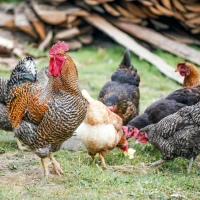
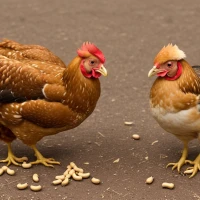
The world of backyard poultry is full of surprises, and Olive Eggers chickens stand out as one of the most intriguing breeds. With their distinct egg color and charming dispositions, these chickens have rapidly become a favorite among poultry enthusiasts and food connoisseurs alike. In this comprehensive article, we’ll unravel the charm of Olive Eggers, shedding light on why they’re such a unique addition to any backyard or gourmet kitchen.
The Allure of Olive Egger Chickens
Olive Eggers are not just any ordinary chickens; they are a centerpiece of attraction in the backyard, and their eggs, a delight in the kitchen. But what exactly makes these birds so special?
What Are Olive Eggers?
First, let’s demystify the birds themselves. Olive Eggers are not a breed per se but rather a type of crossbred chicken that lays olive-green eggs. This unique egg color is the result of a genetic blend between chickens that lay blue eggs, such as the Araucana or Ameraucana, and those that produce brown eggs, like the Barnevelder or Marans.
The Charm of Their Eggs
The olive egger chicks-colored eggs are not just beautiful; they have gained popularity among chefs and foodies. Their rich, glossy hue is a visual delight, transforming any egg dish into a picturesque meal. But it’s not just about looks:
- The eggshell’s unique color
- The depth of the egg yolk’s richness
- The taste, often described as more robust compared to standard eggs
Ornamental and Practical Benefits
Beyond their culinary appeal, Olive Eggers are also cherished for their ornamental value and practicality:
- Dual-purpose birds: They provide both eggs and meat.
- Resilient nature: Adaptable to various climates and environments.
- Ease of care: Low maintenance requirements make them a perfect choice for novice and experienced bird keepers.
Raising Olive Egger Chickens
Getting started with Olive Eggers in your backyard requires some knowledge and preparation. Let’s explore these aspects in more depth lomandra platinum beauty grass.
Selecting Your Stock
When choosing your Olive Eggers, it’s essential to acquire stock from reputable breeders or hatcheries. This ensures the birds’ health and the genetics required for those sought-after olive-colored eggs.
Feeding for Optimal Health
Proper nutrition is crucial for any chicken’s health and egg production. For Olive Eggers, this is no different:
- Feed them a balanced diet rich in proteins and essential nutrients.
- Offer a consistent supply of fresh water.
- Incorporate feed supplements if necessary, to enhance eggshell quality and overall health.
Housing and Space Requirements
Olive Eggers, like all chickens with afros, need a comfortable and safe environment:
- A spacious coop to prevent overcrowding and promote health.
- Safe from predators and harsh weather conditions.
- Sufficient roaming space for foraging and exercise.
Olive Egger Egg Production
Egg production is a key reason many opt companion planting for arugula Olive Eggers. Understanding their laying patterns and how to maximize egg yield is important for any keeper.
Laying Patterns and Frequency
These birds are generally known for their reliable laying, though not necessarily the highest volume. They tend to lay:
- At a moderate frequency, often 3-4 eggs per week.
- With consistency, typically starting around six months of age.
Enhancing Egg Production
To ensure your hens are laying at their best, provide:
- Supplemental lighting during shorter days.
- Stress-free living conditions.
- Adequate nesting boxes, generally one box per 3-4 hens.
The Taste and Nutrition of Olive Egger Eggs
When it comes to food, the quality of ingredients is paramount. Olive Egger eggs are often lauded for both their taste and nutritional content.
Taste Profile
Many enthusiasts claim the Olive Egger’s eggs to have a richer flavor than standard eggs, which might be due to various factors, including diet and free-ranging habits.
Nutritional Comparison
Olive Egger eggs are often highlighted for their:
- High-quality proteins.
- Essential fatty acids property.
- Vitamins A, D, and E content.
However, it’s important to note that nutrition can vary based on diet and environment rather than egg color alone.
Cooking with Olive Egger Eggs
Utilizing Olive Egger eggs in the kitchen can bring a unique twist to traditional recipes. Let’s dive into tips and techniques for cooking with these unique eggs.
Incorporating Eggs into Recipes
The olive hue of the eggshell doesn’t affect the egg’s versatility in cooking. These eggs can be:
- Boiled, for vibrant and tasty deviled eggs.
- Fried, adding an eye-catching element to any breakfast plate.
- Baked, in goods, for their rich taste and texture.
Tips for Perfect Egg Dishes
For mouthwatering results, remember:
- The freshness of eggs is critical for flavor and ease of cooking.
- Their rich yolks can enhance sauces and custards.
- A gentle cook can preserve their delicate texture.
Ethical and Sustainable Rearing of Olive Egger Chickens
In today’s world, ethical and sustainable farming practices are more critical than ever.
Advantages of Backyard Rearing
Raising Olive Eggers in a backyard setting allows for:
- Control over bird welfare: Ensuring humane conditions.
- Sustainable practices: Reducing carbon footprint as opposed to mass egg production.
- Personal connection to food: Knowing exactly where your eggs come from.
Challenges to Consider
However, potential challenges include:
- Dealing with local regulations and zoning laws.
- Managing predator threats sufficiently.
- Balancing the cost and effort with the return on investment.
Olive Eggers in Permaculture and Eco-Conscious Agriculture
As people increasingly turn to eco-friendly farming methods, Olive Eggers fit perfectly into permaculture systems and sustainable agricultural practices.
Role in Permaculture
These chickens can:
- Aid in pest control by consuming insects.
- Fertilize the soil through their droppings.
- Contribute to a self-sustaining ecosystem.
Considerations for Eco-Conscious Farming
When integrating Olive Eggers into an eco-agricultural set-up:
- Ensure chicken forage includes a variety of plants and insects for a balanced diet.
- Limit the use of chemicals and pesticides which could harm your birds.
- Employ rotational grazing to maintain soil health.
Concluding Thoughts on Olive Egger Chickens
Olive Egger chickens offer more than just beautiful eggs; they serve as an integral part of a self-sufficient, sustainable lifestyle. By understanding their care, benefits, and culinary potential, you can unlock the charm of these unique backyard beauties and enjoy the satisfaction of raising chickens that provide both aesthetic pleasure and nutritious food. Whether you’re a seasoned farmer or a curious foodie, Olive Eggers present an opportunity to connect with nature and enhance your culinary experiences with their alluring eggs.
Incorporating Olive Eggers into your life is not just a hobby—it’s a step towards a more conscious and connected way of living. With their unique qualities and low-maintenance appeal, it’s easy to see why Olive Eggers are captivating the hearts (and taste buds) of people worldwide. So why not bring their distinct charm into your backyard and kitchen? It’s time to join the ranks of those who have discovered the multifaceted joys of Olive Egger chickens.