The world of poultry is vivid and diverse, with an array of breeds that capture the fascination of breeders and enthusiasts alike. Among these, the Olive Egger hen emerges as a captivating subject, not only for the unique, dusky green eggs they produce but also for their appealing characteristics and resilience. Embarking on a journey through the charm of these particular birds, we unveil a treasure trove of traits that kindle interest for culinary enthusiasts, hobby farmers, and sustainable living advocates.
Poultry aficionados are often in pursuit of distinctive and rewarding breeds to raise, and the Olive Egger hen stands out as a prime choice. With their blend of practicality and beauty, these birds offer more than just a pretty face, paving their way into the hearts of those who appreciate the subtleties of poultry keeping. So, let’s delve into the enigmatic world of Olive Eggers, exploring the nuances that make them a spectacular addition to the backyard flock and the dining table alike.
The Enigmatic Olive Egger: A Backyard Poultry Delight
Olive Eggers are not your average can chickens eat mangos. They are a hybrid, a picturesque blend of dark brown and blue egg-laying breeds, culminating in the distinctive olive-colored egg for which they are named. But their charm extends beyond egg color. Here we will explore the multifaceted nature of these chickens, from their origin to their care, and why they might just be the perfect addition to your home.
Unraveling the Genetics: The Making of An Olive Egger Hen
The Olive Egger hen is a symbol of genetic artistry, crafted through the careful crossing of breeds. This process combines the genes responsible for blue eggs, such as those from the Araucana or Ameraucana, with genes from a dark brown egg layer like the Marans or Welsummer. The result is a bird capable of producing the namesake olive eggs, which have captivated many enthusiasts with their earthy hues.
Breeding for Egg-cellence: How Olive Egger Hens Are Created
- Choose a blue egg layer: Select a quality hen or rooster from a breed known for laying blue eggs.
- Pair with a dark brown egg layer: Mate the blue egg layer with a member of a dark-brown egg-laying breed.
- The olive egg phenomenon: The offspring will inherently possess the genetics to lay an intriguing shade of olive.
Olive Egger Hen: A Profile of Appearance and Temperament
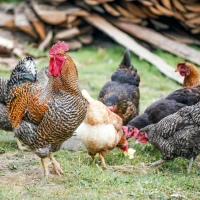
Olive Egger hens boast a variety of appearances, ranging from a stunning mix of feathers reflective of their diverse heritage to their red or orange eyes, which are an enchanting characteristic. Temperament-wise, these birds tend to be hardy, adaptable, and generally friendly, making them a fitting choice for family flocks or intimate farm settings.
The Marvel of Hue and Feathers
Each Olive Egger carries a distinctive plumage pattern, which may include:
- Feather colors from black to shades of brown and even touches of iridescence.
- Comb types can vary significantly, with single and pea combs being common due to their hybrid nature.
- Leg color too can differ, often aligning with the dominant breed in their genetics.
The Mystique of Olive Eggs: Unveiling The Culinary Promise
The unique egg color of the Olive Egger is not just visually arresting; it also holds a promise of culinary delight. These eggs possess all the nutrition and versatility of traditional chicken eggs, making them a versatile ingredient in various cuisines. The sturdy shells contribute to a longer shelf life, ensuring that the wholesome goodness of these olive-colored wonders can be savored over time.
Nutritional Equivalence: Beyond the Attractive Shell
- High in antioxidants: Olive Egger eggs contain significant levels of healthy antioxidants.
- Rich in vitamins: Loaded with vitamins A, D, and E, along with a host of B vitamins.
- Source of protein: A single egg is a robust source of high-quality protein.
Raising Olive Eggers: A Comprehensive Guide to Care
Caring for Olive Eggers mirrors the requirements of most chicken breeds, demanding attention to diet, environment, and health. For those considering Olive Eggers as part of their flock, understanding these essentials will ensure the vitality and productivity of these charming birds.
Feeding Your Olive Egger: Nourishment for Peak Performance
To maintain health and support the egg-laying prowess of Olive Eggers:
- Provide a balanced diet: A mixture of commercial poultry feed supplemented with grains and greens.
- Ensure constant access to water: Clean, fresh water is crucial for hydration and egg production.
- Don’t forget the grit: Essential for digestion, especially if your hens forage frequently.
Ethical Poultry Practices: Olive Egger Hens and Sustainable Farming
Sustainable farming and ethical livestock practices align perfectly with the ethos of raising Olive Egger hens. As an intersection of environmental consciousness and agricultural tradition, these hens personify a shift towards responsible food production that values animal welfare and ecological balance. By integrating Olive Eggers into sustainable systems, farmers contribute to a cycle of food production that respects both the earth and its creatures.
Embracing Ethical Considerations: The Olive Egger Philosophy
- Room to roam: Providing a free-range environment whenever possible.
- Avoiding overcrowding: Ensuring adequate space for each hen to live comfortably.
- Natural living: Supporting the natural behaviors of the hens through environmental enrichment.
The Olive Egger Hen’s Contribution to Biodiversity
The Olive Egger hen is not just a beautiful poultry breed with economic benefits; its existence is a testament to the power and necessity of biodiversity in agriculture. By blending the traits of various olive eggers chicken breeds, the Olive Egger represents a living genetic reservoir that can help maintain the vigor and resilience of domesticated poultry populations.
Preserving Genetics: The Olive Egger’s Role in Heritage Conservation
Heritage breeds play an essential role in the conservation of poultry genetics, and Olive Eggers are part of this continuum. They serve as a reminder of the genetic diversity that is crucial for the preservation of species and adaptability to changing environmental conditions.
The Value of Genetic Variety: What Olive Eggers Can Teach Us
- Robustness: Genetic diversity can lead to hardier, more disease-resistant birds.
- Adaptability: A wide gene pool equips breeds to better handle climate fluctuations.
- Heritage: Olive Eggers blend the past and present, carrying forward the legacy of their progenitor breeds.
Olive Egger Hens in Culinary Circles: Elevating the Dining Experience
The distinctive olive eggs of these hens are a sought-after commodity in gourmet kitchens and high-end eateries. Chefs and foodies prize them for their aesthetic appeal and the promise of farm-fresh quality, making Olive Egger eggs a choice ingredient in refined culinary creations.
From Coop to Kitchen: The Journey of Olive Eggs
- Artisan appeal: Olive Egger eggs often grace farm-to-table menus and artisanal markets.
- Nutrition & flavor: These eggs add a nutrient-rich and flavorful component to recipes.
- Visual splendor: The unique color of the eggs makes them a decorative highlight in dish presentation.
Conclusion: Embracing the Olive Egger Hen as a Culinary and Agricultural Gem
In conclusion, the Olive Egger hen represents much more than an egg-laying breed with a novelty trait. It embodies the intersection of sustainable farming practices, genetic conservation, and culinary distinction. For those considering Olive Eggers, whether as a backyard endeavor or a gourmet pursuit, these hens offer a unique opportunity to experience the convergence of aesthetics, ethics, and gastronomy in one feathered package.
The Olive Egger Hen: A Feathered Friend Worth Cultivating
By choosing to raise Olive Eggers, poultry keepers make a conscious decision to partake in a sustainable and rewarding agricultural tradition. This breed ensures that every egg collected is a small treasure and every interaction with these hens is enriched by the knowledge of their special place in the biodiversity tapestry.
Whether you’re a seasoned chicken enthusiast or simply someone with a penchant for unique culinary experiences, the Olive Egger hen is sure to enchant and inspire. As we continue to explore and champion these magnificent birds, their presence will undoubtedly enrich our gardens, our tables, and our appreciation for nature’s remarkable variety.