Brussels sprouts are not only a culinary delight but also a valuable addition to any kitchen garden. These nutrient-packed mini cabbages are perfect for cool seasons, and with the right companions, they can flourish to yield a bountiful harvest. Companion planting Brussels sprouts harnesses the wisdom of nature, creating a vibrant, more productive garden ecosystem. In this comprehensive guide, we will explore techniques to maximize your harvest through the strategic selection of companion plants for your Brussels sprouts. Get ready to enjoy the synergy these combinations can offer while deterring pests and improving soil quality!
The Benefits of Companion Planting with Brussels Sprouts
Companion planting is a method that involves placing different plant species in close proximity with the intention of benefitting one another. When it comes to Brussels sprouts, not only can the right companions help fend off pests, but they can also enhance the flavor and growth of your sprouts.
A Natural Pest Deterrent
One of the key advantages of companion planting next to Brussels sprouts is the potential to naturally manage pests. Certain plants contain compounds or scents that are off-putting to the common enemies of Brussels sprouts.
Nutrient Sharing and Soil Health
Plants interact with the soil in various ways. Some may add nutrients, while others may help fix nitrogen levels, fostering a dynamic soil ecosystem ideal for growing healthy Brussels sprouts.
Boosting Pollination and Increasing Biodiversity
Increasing the diversity of your garden through companion planting leads to a more attractive environment for beneficial insects, including pollinators which are crucial for Brussels sprout development.
Ideal Companion Plants for Brussels Sprouts
Choosing the right plants to grow alongside your Brussels sprouts can make all the difference. Let’s delve into some excellent companions and understand how they can support your Brussels sprout plants.
Alliums: Onions, Garlic, and Chives
Alliums are reputed for their strong aromas, which are perfect for masking the smell of Brussels sprouts and keeping pests at bay. Their presence can deter several insects that find Brussels sprouts irresistible.
- Onions: Their pungent scent confuses pests searching for Brussels sprouts.
- Garlic: Known for its powerful pest-repellent properties, particularly against aphids.
- Chives: Alongside pest control, chives can also enhance the overall flavor of Brussels sprouts.
Herbs: Dill, Mint, and Thyme
Herbs serve a dual purpose in the garden: culinary uses and pest control. The strong fragrances of certain herbs act as a natural line of defense.
- Dill: Attracts beneficial predators such as wasps that feed on common pests.
- Mint: While it should be contained to prevent spreading, mint’s potent smell keeps many insects away.
- Thyme: It has a scent that, when interplanted with Brussels sprouts, can help reduce infestations.
Marigolds: The Insect Repelling Champions
Marigolds are not just pretty; they’re powerful in the war against soil-dwelling nematodes and other insect pests. The secretions from their roots and their strong scent make them incredibly effective.
Flowering Plants: Attract Beneficial Insects
Certain flowering plants can both beautify your garden and improve the health and yield of Brussels sprouts by attracting pollinators and pest-fighting insects.
- Nasturtiums: Lures away aphids and other insects from Brussels sprouts.
- Calendula: Attracts beneficial insects while also adding a splash of color.
Plants to Avoid Pairing with Brussels Sprouts
While companion planting can bring many benefits, it’s equally important to know which plants could be detrimental to your Brussels sprouts.
Strawberries and Brassicas: A Challenging Coexistence
Strawberries and brassicas like Brussels sprouts can compete for nutrients and are best planted apart to prevent potential growth restrictions.
Grapes and Field Mustard: Harmful to Brussels Sprouts
Grapes can fall prey to some of the same pests as Brussels sprouts, while field mustard may attract diseases, making them unsuitable partners.
Cultivating Brussels Sprouts: Best Practices and Timing
Growing Brussels sprouts to perfection involves understanding the timing, soil conditions, and care they require. Let’s delve into how to best cultivate these nutritious greens.
Sowing Seeds and Transplanting
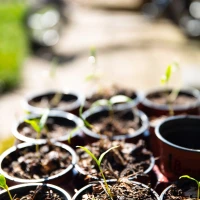
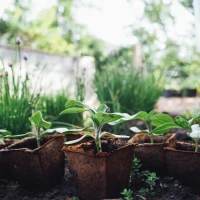
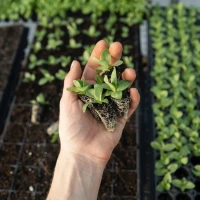
Timing is crucial when it comes to sowing Brussels sprout seeds. They thrive in cooler temperatures and should be started indoors before transplanting them to your garden at the appropriate time.
Watering and Feeding Your Brussels Sprouts
Maintaining consistent soil moisture is key, as is providing the right nutrients at the right stages of growth. Detailed care is essential for the best harvest possible.
Pest Control and Management: Keeping Your Brussels Sprouts Safe
Vigilant monitoring for pests and diseases is critical. Implementing natural pest control methods, especially in conjunction with companion planting, can help keep your Brussels sprouts thriving.
Harvesting and Storing Your Brussels Sprouts
The culmination of your hard work is harvest time. Brussels sprouts need to be picked at the right moment for optimum flavor and stored properly to ensure they keep well.
The Right Time to Harvest
Knowing when Brussels sprouts are ready to be picked is vital—typically after they reach about an inch in diameter and are firm to the touch.
Methods for Storing
Brussels sprouts can be stored in the refrigerator for several weeks or frozen for longer-term preservation. The key is to keep them cool and dry to maintain freshness.
Brussels Sprouts in the Kitchen: Cooking and Flavor Pairings
After the harvest, it’s time to enjoy the fruits of your labor. Brussels sprouts can be exceptionally delicious when cooked properly and paired with the right flavors and ingredients.
Preparation Tips
Before cooking, it’s important to clean and prepare your Brussels sprouts carefully to ensure they taste their best—a thorough rinse and a trim can make all the difference.
Cooking Techniques
Brussels sprouts are versatile; they can be roasted, steamed, sautéed, or even enjoyed raw in salads. Finding the right cooking method can enhance their natural flavors and textures.
Flavor Pairings
The right accompaniments can make Brussels sprouts shine. Pairing them with ingredients such as bacon, nuts, or balsamic vinegar can elevate the humble Brussels sprout to new culinary heights.
Final Thoughts on Companion Planting Brussels Sprouts
Companion planting Brussels sprouts is a smart gardening practice that can maximize your harvest, save you from pest troubles, and bring a harmonious balance to your garden. This guide has provided detailed insights into the companion plants that will help your Brussels sprouts thrive and those that could inhibit their growth.
By following these tips and being mindful of the interactions between plants, you’re setting the stage for a successful gardening season. Embracing the art of companion planting will not only enhance your Brussels sprouts harvest but will also contribute to a healthier, more sustainable garden ecosystem. Happy gardening!