Do you love broccoli but feel apprehensive about the digestive discomfort it brings? You’re not alone. Many people face the dilemma of wanting to eat healthily but are restricted by symptoms of digestive disorders such as IBS. The good news is, with the right knowledge, you can still enjoy this nutritious vegetable without the worry. This comprehensive guide will explore the intricacies of broccoli in the context of FODMAPs, offering practical tips and delicious ways to incorporate broccoli into a low-FODMAP diet.
For the uninitiated, FODMAPs are a group of fermentable carbohydrates that can cause symptoms in individuals with IBS or other gut sensitivities. Understanding how broccoli fits into this equation can be the difference between relishing your meals and experiencing unwelcome discomfort.
Armed with the latest research and expert interviews, we’ll delve into the question on everyone’s mind: Is broccoli low FODMAP? By tailoring your diet to include the right parts of the vegetable and the proper servings, you can minimize adverse reactions. Let’s embark on this journey to optimize your well-being with the power of broccoli.
Understanding FODMAPs: The Basics
Before we can dissect the relationship between broccoli and FODMAPs, it’s crucial to establish a clear understanding of what FODMAPs are and how they impact digestive health.
What Are FODMAPs?
FODMAPs (Fermentable Oligosaccharides, Disaccharides, Monosaccharides, and Polyols) are a collection of short-chain carbohydrates found in a range of foods, from fruits and vegetables to grains and dairy products. These carbohydrates can be difficult for some individuals to digest, particularly for those with IBS or functional gastrointestinal disorders.
How FODMAPs Affect Digestive Health
FODMAPs pass through the small intestine relatively undigested and proceed to the large intestine, where they are fermented by the gut bacteria. This fermentation process can produce gas and cause an influx of water into the bowel, leading to symptoms like:
- Bloating
- Gas
- Abdominal pain
- Constipation or diarrhea (or sometimes both)
For sensitive individuals, regulating the intake of high-FODMAP foods can significantly improve these symptoms.
Broccoli: A Nutrient Powerhouse with a Complexity
Broccoli is renowned for its wealth of nutrients, including vitamins C, K, and A, as well as fiber, and potent antioxidants. However, when aligning your diet with a low-FODMAP framework, understanding broccoli’s composition becomes indispensable.
Nutritional Benefits of Broccoli
It’s no secret that broccoli is a stellar addition to any diet due to its:
- High levels of vitamins and minerals
- Rich source of dietary fiber
- Abundance of bioactive compounds like sulforaphane
Why Broccoli Can Be Problematic for Some
Despite its nutritional accolades, broccoli can provoke digestive issues for those sensitive to FODMAPs. The culprit? The presence of excess fructans, a type of oligosaccharide that can be taxing on the digestive system of certain individuals.
Is Broccoli Low FODMAP? Unearthing the Truth
The question of whether broccoli is low FODMAP is multifaceted. In short: it can be, but it largely depends on the part of the broccoli consumed and the serving size. Let’s break this down.
Broccoli Parts and FODMAP Levels
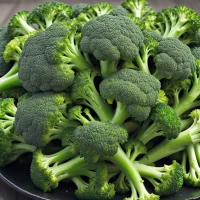
Broccoli is made up of two main parts: the heads (or florets) and the stalks. The FODMAP content varies between these parts:
- Broccoli Florets: Lower in FODMAPs and can be enjoyed in moderation
- Broccoli Stalks: Higher in FODMAPs and should be consumed in smaller quantities or avoided by those following a stringent low-FODMAP diet
Recommended Serving Sizes for Low FODMAP Diets
- Up to 3/4 cup of broccoli florets is considered low FODMAP and safe for most individuals with sensitivities.
- Broccoli stalks are high FODMAP at servings of 1/3 cup or more.
Integrating Broccoli into a Low FODMAP Diet: Tips and Tricks
Avoiding digestive distress while savoring broccoli is all about smart choices and creative cooking. Here are some tips to help you enjoy this green powerhouse without triggering FODMAP-related symptoms.
Choosing the Right Parts of Broccoli
To keep FODMAP intake low:
- Focus on the florets
- Limit or avoid the stalks
Preparing Broccoli for Better Digestibility
Consider these preparation methods to aid digestibility:
- Steaming or boiling to soften the fibers
- Incorporating broccoli into cooked dishes rather than consuming it raw
Crafting a Low FODMAP Menu with Broccoli
When drawing up a meal plan that’s favorable for a low-FODMAP diet, broccoli can still be a star player. Here are some safe, delectable ways to feature broccoli in your meals.
Delicious Low FODMAP Broccoli Recipes
Infuse your menu with low FODMAP staples such as:
- Broccoli and cheddar soup with pureed florets
- Stir-fried broccoli and chicken with gluten-free tamari sauce
- Grilled broccoli florets seasoned with garlic-infused oil and a spritz of lemon
Meal Planning for Success
Meal planning is crucial for maintaining a balanced low FODMAP diet. Pacing your FODMAP intake among meals can ensure you enjoy a variety of foods, including broccoli, without crossing the threshold that triggers symptoms.
Potential Pitfalls and How to Avoid Them
Being mindful of common mistakes can help you navigate your low FODMAP journey with broccoli effectively.
Overlooking Serving Sizes
The most frequent faux pas is disregarding the recommended serving sizes for broccoli’s FODMAP content, leading to symptoms. Always measure out your portions to remain within safe limits.
FODMAP Stacking and How to Prevent It
“FODMAP stacking” occurs when you consume multiple moderate FODMAP foods within a short time, unintentionally expanding your intake beyond low FODMAP levels. Stay vigilant with your meal components and timing to circumvent this issue.
Expert Speak: Insights on Broccoli and FODMAPs
Leading nutritionists and gastroenterologists offer their perspectives on managing a diet that includes broccoli without exacerbating FODMAP-related symptoms.
The Professional Take on Broccoli
Experts agree that broccoli is an excellent addition to a well-rounded diet but emphasize the importance of proper portions for those with FODMAP sensitivities.
Tailoring Diets to Meet Individual Needs
Diet personalization is key. What works for one may not work for another. It’s often advised to work with a dietitian who can help you customize your intake appropriately.
Closing Thoughts: Embracing Broccoli the Low FODMAP Way
Broccoli doesn’t have to be a source of anxiety for those concerned about FODMAPs. By understanding and adjusting your intake of this nutrient-dense cruciferous veggie, you can maintain digestive comfort while reaping the health benefits. Remember, moderation and preparation are your best friends in the world of low FODMAP dining.
Enjoying broccoli low FODMAP style is an art and a science. It’s about extracting the goodness of this green gem while negotiating the boundaries of your digestive health. Embark on this culinary journey, and you might find that broccoli becomes a staple in your low FODMAP lifestyle, gracing your table without the worry and with plenty of flavor and zest.