Eggplants, with their glossy purple skin and versatile nature, have become a staple in many kitchens around the globe. Growing eggplants from saplings in your garden can be exceptionally rewarding. Whether you’re a gardening novice or a seasoned green-thumb, this comprehensive guide will walk you through nurturing eggplant saplings to reap a bountiful harvest, from the sprout stage to your dinner plate.
Understanding the journey of eggplant saplings, from their delicate beginnings to the thriving, fruit-bearing plants they become, offers an indoctrination into the world of gardening that is as delightful as it is productive. With a little care, some patience, and the right knowledge, your saplings will transform into a lush eggplant bounty.
The Eggplant Sapling Life Cycle
The life of an eggplant begins as a humble seed, but it’s not long bewater for chickse the first signs of life emerge. Let’s unveil the key stages that eggplant saplings go through.
Starting with the Right Seed
To grow a healthy eggplant, it all starts with high-quality seeds. Opt for organic or heirloom varieties for the most natural and resilient plants. It’s crucial to check for freshness and viability to ensure your seeds will germinate effectively.
Germination: The First Step
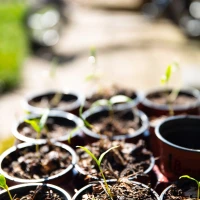
Germination is the process where seeds awaken and sprout into young plants. For eggplant seeds, consistent warmth is vital. Maintain a steady temperature around 75-85°F (24-29°C) to encourage sprouting. This is usually achieved with the help of a seedling heating mat.
Transplanting to Saplings
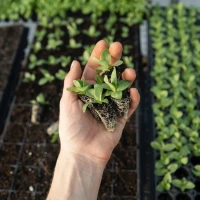
Once the sprouts have developed a few true leaves, it’s time for transplanting. Eggplant saplings need a larger home to allow their roots to expand. Transplant them into pots filled with nutritious, well-draining soil to encourage robust growth.
Prime Conditions for Eggplant Saplings
Eggplants thrive in specific conditions. By replicating these in your garden, you grant your saplings the best chance to flourish.
Sun Exposure and Temperature
Eggplants love the sun and need it in abundance to prosper. Aim for at least 6 to 8 hours of sunlight each day. The optimal temperature range for eggplant saplings is between 70-85°F (21-29°C) throughout the day, dipping no lower than 60°F (16°C) at night.
Soil and Nutrients
A rich, loamy soil with good drainage is key to growing eggplants. The soil pH should ideally fall between 5.5 and 6.5. Amend your garden soil with compost or well-rotted manure to enrich it with essential nutrients that eggplant saplings will love.
Watering Practices
Consistent moisture is essential, but overwatering can lead to problems like root rot. Aim for a balance, watering deeply but allowing the soil to slightly dry out between sessions. Mulching can help retain moisture and regulate soil temperature.
Nurturing Eggplant Saplings
Caring for your eggplant saplings involves more than just watering and waiting. Let’s delve into the care techniques that will ensure your saplings grow into healthy, fruit-bearing plants.
Pruning and Training
- Prune any yellow or damaged leaves to maintain plant health.
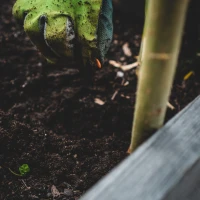
- Train your eggplants by staking them to encourage upward growth and aid in air circulation.
Pest and Disease Management
Eggplants can fall prey to pests like aphids and spider mites, and diseases such as blight and mildew.
- Monitor regularly for signs of infestation or illness.
- Employ organic pest control measures like neem oil and encourage natural predators like ladybugs into your garden.
Fertilization Schedule
Eggplant saplings respond well to regular feeding:
- Apply a balanced fertilizer every few weeks during the growing season.
- Consider adding a high-phosphorus blend during the flowering stage to encourage fruiting.
The Path to Harvest
As your eggplant saplings grow, anticipation for the harvest builds. When the fruits reach the desired size and their skin is glossy and firm, they’re ready to be picked.
Harvesting Your Eggplants
Use a sharp knife or pruning shears to cut the eggplants from the plant, leaving a small portion of the stem attached. Regular harvesting encourages the plant to produce more fruit.
Post-Harvest Care
Once you’ve harvested your eggplants, proper storage is crucial. Keep them at room temperature if used within a day or two or in the refrigerator for extended freshness.
Enjoying the Fruits of Your Labor
Eggplants are incredibly versatile in the kitchen. From grilling to roasting or making classic dishes like ratatouille or baba ganoush, the possibilities are endless.
Troubleshooting Common Issues
Even with the best care, you might encounter some growing pains with your eggplant saplings.
Yellowing Leaves
This could be a sign of overwatering, poor drainage, or nutrient deficiencies. Adjust your watering schedule and ensure your soil is well-aerated and rich in nutrients.
Stunted Growth
Stunted growth can arise from root-bound plants, pest infestations, or incorrect temperatures. Repot if necessary, implement pest control strategies, and maintain the right temperature range.
Blossom End Rot
This condition is typically caused by calcium deficiency and inconsistent watering. Keep the soil evenly moist and apply a calcium supplement if needed.
Advanced Tips for the Avid Gardener
Once you’ve mastered the basics, consider these advanced tips to elevate your eggplant cultivation.
Grafting for Vigor
Grafting your eggplant saplings onto hardy rootstocks can result in more robust plants that are resistant to soil-borne diseases.
Hydroponic Systems
Growing eggplants hydroponically can lead to larger yields and faster growth. This controlled environment minimizes the risk of soil pathogens and pests.
Companion Planting
Eggplant saplings benefit from companions like beans and spinach that can enhance nutrient uptake and repel certain pests.
In conclusion, growing eggplant saplings to a bountiful harvest is an adventure in gardening that rewards your efforts with fresh, homegrown produce. With the right care, your garden will offer a plentiful supply of eggplants to enjoy in a variety of culinary creations. Remember, each plant has its own personality, and part of the joy of gardening is learning to read and respond to its unique needs. Happy gardening, and may your eggplants be fruitful and delicious!