Embarking on a culinary journey that promises to tantalize your taste buds? Look no further than chive blossom vinegar, a vibrant and versatile condiment that has the power to elevate an array of dishes with its delicate oniony flavor and stunning purple hue. This remarkable ingredient is not just a feast for the palate but a visual delight that can transform the simplest of recipes into gourmet marvels. Whether you’re a seasoned chef or an enthusiastic home cook, learning about chive blossom vinegar and its myriad uses is like discovering a hidden gem in the vast world of gastronomy.
What is Chive Blossom Vinegar?
Chive blossom vinegar is a unique infusion made by steeping the soft purple flowers of the chive plant in a base vinegar, often white or apple cider, resulting in a subtly flavored and aesthetically pleasing culinary treat. It captures the light, sharp essence of chives and combines it with the tanginess of vinegar, creating a perfect balance that can enhance salads, marinades, and many other dishes.
The Origin and Rise to Popularity
Although chive blossoms have been around for centuries, their use in vinegar is a relatively recent culinary innovation. They grow from the common chive plant, a member of the allium family, which has been cultivated since the Middle Ages for its flavorful leaves and flowers. Today, chive blossom vinegar is celebrated by gourmet food enthusiasts and professional chefs alike for its ability to infuse meals with a nuanced layer of flavor.
Making Chive Blossom Vinegar at Home
Creating your own chive blossom vinegar is remarkably simple and provides you with a homemade condiment that is both practical and visually appealing:
- Pick fresh chive blossoms at their peak for the best flavor.
- Gently rinse and dry the blossoms to remove any dirt or insects.
- Choose a quality base vinegar. White wine, champagne, or apple cider vinegar are excellent choices.
- Fill a sterilized jar with the blossoms and pour the vinegar over them until fully submerged.
- Seal the jar and store it in a cool, dark place for about two weeks to allow the infusion to take place.
- Once infused to your liking, strain the vinegar to remove the blossoms, and store it in a clean, sealed bottle.
The Aesthetic and Sensory Appeal
The beauty of chive blossom vinegar lies not only in its taste but also in its rich purplish-pink color which is naturally imparted by the chive blossoms. Just a drizzle can instantly make any dish more visually appealing, adding a gourmet touch to even the most basic recipes.
Culinary Uses and Pairings
Chive blossom vinegar is more than just a beautiful ingredient; it’s a versatile element that can be seamlessly integrated into various culinary creations.
Salad Dressings and Vinaigrettes
One of the classic ways to use chive blossom vinegar is by whisking it into fresh salad dressings or vinaigrettes. Its subtle onion flavor pairs wonderfully with:
- Extra virgin olive oil
- A touch of honey or mustard
- Freshly cracked black pepper
Finishing Touch for Soups and Sauces
A few drops of this flavorful vinegar as a finishing touch can brighten up soups and sauces. It works especially well in cream-based soups or sauces where its acidity can cut through the richness.
Marinades for Meat and Seafood
Chive blossom vinegar can chickens eat mangos act as a tenderizer and flavor enhancer when used in marinades:
- Combine with herbs, garlic, and olive oil for a chicken marinade.
- Use with citrus and herbs for a light fish or seafood marinade.
Pickling Liquid
Creating quick pickles chickens with afros chive blossom vinegar can add extraordinary flavors to your pickled vegetables. Its mild essence complements the natural taste of veggies like cucumbers, carrots, and radishes.
Nutritional and Health Benefits
Not only does chive blossom vinegar boost the taste of dishes, but it also harbors various nutritional and health benefits that make it a valuable addition to your pantry.
Rich in Antioxidants
Chive blossoms contain potent antioxidants, such as quercetin, which are known to neutralize harmful free radicals in the body.
Anti-Inflammatory Properties
The sulfides present in chives provide anti-inflammatory benefits, which could be helpful in reducing swelling and discomfort in various conditions.
Heart Health
Vinegars are known to have heart-healthy properties, and when combined with the nutrients in chive blossoms, they might contribute to maintaining cardiovascular health.
Dietary Considerations
Chive blossom vinegar is low in calories and contains no fat, making it an ideal ingredient for those monitoring their caloric intake.
Creative Recipes Featuring Chive Blossom Vinegar
Let’s dive into the culinary world with some innovative recipes that showcase the versatility of chive blossom vinegar.
Refreshing Chive Blossom Salad Dressing
Create a light, herby dressing perfect for spring and summer salads:
- Mix chive blossom vinegar with Dijon mustard, olive oil, honey, salt, and pepper.
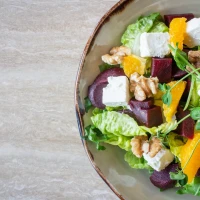
- Drizzle over fresh greens, goat cheese, and toasted nuts for a delightful salad.
Zesty Chive Blossom Marinade
Use this tangy marinade for chicken, pork, or vegetables before grilling:
- Combine chive blossom vinegar with soy sauce, garlic, and a touch of brown sugar for a balanced marinade mixture.
- Marinate your choice of protein or vegetables for a minimum of 30 minutes before cooking.
Elegant Chive Blossom Pickled Vegetables
Add a gourmet twist to your charcuterie board with these quick pickled vegetables:
- Slice vegetables thinly and cover them with a brine of chive blossom vinegar, water, sugar, and salt.
- Allow the vegetables to pickle in the refrigerator for at least an hour before serving.
Where to Find Chive Blossom Vinegar
While chive blossom vinegar can be made at home, it is also available for purchase from specialty food stores and online retailers. When buying chive blossom vinegar, look for:
- Small-batch producers who use high-quality ingredients.
- Vinegars that have a clear, vibrant color, indicative of their freshness.
Tips for Selecting and Storing
To ensure the longevity of your chive blossom vinegar:
- Store in a cool, dark place away from direct sunlight to preserve its color and flavor.
- Check for any signs of spoilage, like cloudiness or off odors, before use.
Pairing Chive Blossom Vinegar with Wines and Spirits
Chive blossom vinegar’s unique taste profile makes it a fantastic pairing with certain wines and spirits. Consider these combinations for your next meal:
- Pair with a crisp Sauvignon Blanc or Pinot Grigio to complement its acidity.
- Mix into cocktails that incorporate herbal notes, such as a gin-based drink.
Conclusion: A Testament to Culinary Creativity
Chive blossom vinegar is more than just a simple condiment; it’s a testimony to culinary creativity and the endless possibilities that come with exploring new ingredients. Its ability to enhance a vast range of dishes with its subtle yet distinctive flavor and to add a touch of elegance with its vibrant color makes it a must-have for adventurous cooks and food lovers alike.
Incorporate chive blossom vinegar into your cooking repertoire, and experience the elevated flavors and added visual appeal it brings to your culinary creations. Whether used in dressings, marinades, or as a finishing touch, this elegant vinegar is sure to impress and become a staple in your kitchen.