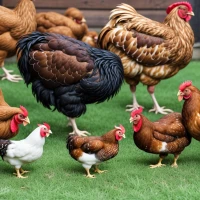
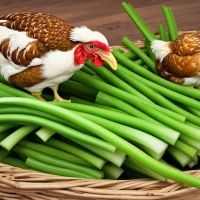
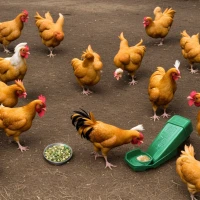
Chickens are not only valuable farm animals but also fascinating backyard companions for many people across the globe. Their diets are crucial to their health, productivity, and overall well-being. It’s common knowledge that their menu can include a variety of grains, pellets, vegetables, and occasional treats. However, when it comes to onions, many chicken owners find themselves in a fog of confusion. Can chickens eat onions? Are onions safe for chickens? Understanding the intricacies of chicken nutrition is essential, and onions as part of a chicken’s diet raises important questions.
In this comprehensive guide, we delve deep into the benefits and risks of feeding onions to chickens, providing you with all the facts you need to keep your feathered friends both happy and healthy. Whether you are a seasoned farmer or a new poultry enthusiast, this article aspires to be the top resource in your quest for knowledge on onion treats for chickens.
The Nutritional Profile of Onions for Chickens
Before we address whether chickens can consume onions safely, let’s first explore the nutritional composition of onions.
The Good: Vitamins and Antioxidants in Onions
- Vitamin C: Onions are a solid source of Vitamin C, which can bolster a chicken’s immune system.
- Flavonoids: These antioxidants may help reduce inflammation and act as an immune booster.
The Bad: Thiosulphate Content in Onions
On the flip side, onions contain a compound called thiosulphate, which can be harmful to chickens. Ingesting thiosulphate can lead to a condition called hemolytic anemia, also known as ‘Heinz body anemia’, where red blood cells are destroyed faster than they can be produced.
Understanding the Risks of Onions for Chickens
Let’s dissect the potential dangers that onions pose to chickens to get a clear picture of the risk factors.
Heinz Body Anemia: A Threat to Chicken Health
Onions’ thiosulphate content is not to be taken lightly. The toxic effects of this compound on your chickens’ red blood cells cannot be overstated. Symptoms of Heinz body anemia may include:
- Lethargy
- Weakness
- Pale combs and wattles due to anemia
Prompt care is crucial if you suspect your chicken has consumed a harmful quantity of onions.
The Culprit Behind the Danger: Thiosulphate
- Concentration Matters: Not all onions are created equal — the concentration of thiosulphate can vary depending on the type of onion.
- Cooked vs. Raw Onions: Does cooking onions neutralize thiosulphate? The answer is not straightforward, but generally, it’s recommended to err on the side of caution.
Can Chickens Eat Onions Safely? Evaluating the Debate
The question of whether chickens can eat onions leads to a polarizing debate. Some argue a small amount occasionally won’t hurt, while others believe it’s best to avoid onions altogether.
Understanding Safe Limits
Moderation is key—if you do choose to feed your chickens onions, ensure it’s an infrequent treat and in small quantities.
Onion Varieties and Their Impact
- White Onions: Higher in sugar, less pungent.
- Red Onions: Richer in antioxidants, with higher flavonoid content.
- Green Onions: Milder in flavor, possibly lower in thiosulphate.
Deciding which onions, if any, to give to your chickens is a nuanced decision that requires careful consideration.
How to Safely Introduce Onions into a Chicken’s Diet
If you’ve decided that your chickens might benefit from the occasional onion treat, here’s how to introduce it safely.
Start Small
- Begin with a tiny piece of onion to see how your chickens react.
Observe Your Flock
- Monitor your chickens for any adverse reactions after consuming onion.
Mix With Other Foods
- Combining onions with other safe treats can dilute the potential risk.
Alternatives to Onions for Chicken Treats
Considering the potential risks, you may decide to seek safer alternatives. There’s a variety of other treats that are not only safe but also beneficial for your chickens’ health.
Vegetable Treats Chickens Love
- Squash: Nutrient-rich and easy to digest.
- Leafy Greens: A great source of vitamins.
- Carrots: Packed with beta-carotene.
Fruits for Feathered Friends
- Berries: High in antioxidants.
- Apples: A crunchy treat (minus the seeds).
- Watermelon: Ideal for hydration on hot days.
Herbs as Healthy Supplements
- Oregano: Known for its antibacterial properties.
- Mint: Can help in deterring pests.
- Parsley: Packed with nutrients, including iron.
Preparing Onion Treats for Chickens: Best Practices
Should you decide to proceed with caution and offer onions, these guidelines will help ensure you’re doing it as safely as possible.
Thorough Washing
- Clean the onions thoroughly to remove any potential pesticides or contaminants.
Chop into Small Pieces
- Cutting the onions into small pieces makes it easier for chickens to peck and digest.
Limit the Quantity
- Offer onions sparingly and only as a small part of a varied diet.
Monitoring Your Chickens’ Health After Eating Onions
Vigilance is vital after giving your chickens onions. It’s imperative to monitor them closely for any signs of distress or illness.
Signs to Watch For
- Changes in behavior: Disinterest in food or water, lethargy, or isolation.
- Physical symptoms: Pale combs or wattles, irregular droppings, or respiratory issues.
When to Contact a Veterinarian
- If you observe any concerning symptoms, don’t hesitate to seek professional advice.
The Verdict: To Feed or Not to Feed Onions to Chickens
After examining the evidence and weighing the pros against the cons, the decision rests in your hands.
Pros of Feeding Onions to Chickens
- Potential as an occasional treat: In very small amounts, the risks may be minimal.
- Nutritional benefits: Onions do contain beneficial nutrients that could support a chicken’s health when fed properly.
Cons of Feeding Onions to Chickens
- Risk of toxicity: The possibility of thiosulphate poisoning cannot be ignored.
- Health complications: The threat of Heinz body anemia looms over the potential benefits.
Concluding Thoughts on Onions as Chicken Treats
Feeding chickens onions is a contentious topic and one fraught with concerns about health and safety. While small amounts of onions could potentially be incorporated into a chicken’s diet without immediate harm, the risk of toxicity raises significant red flags.
It is essential for chicken owners to prioritize their flock’s health and well-being. The information presented in this guide suggests that onion treats should be approached with caution, if at all. With a bounty of alternative treats readily available, it seems wise to opt for less controversial and safer food items that can bring enjoyment and nutritional benefits to your chickens without the associated risks.
In the realm of poultry care, knowledge is power. By understanding the considerations and risks involved in feeding onions to chickens, you are better equipped to make informed decisions that promote the health, happiness, and longevity of your beloved feathered friends.